Uneven Skin Tone
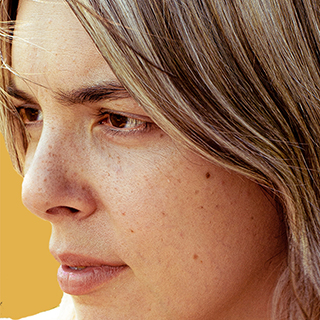
What is the largest organ in your body? It’s your skin! And it’s no wonder then that skin concerns are a prominent and common occurrence, especially uneven skin tone from genetics or accumulated damage.
The never ending quest for flawless skin-it’s an uphill battle. UV rays, free radicals, age spots, uneven skin tone, dry skin, dead skin, dark patches, etc. can all contribute to an undesirable skin appearance. Skincare routines with skincare products like coconut oil, aloe vera, hyaluronic acid, glycolic acid, lemon juice, and even baking soda are believed to help restore and prevent damaged skin leading to skin brightening and a glowing complexion. We’re not saying it’s not possible, but let’s take a closer look at the mechanics of both normal and damaged skin to get a better idea of if your lemon juice mask is actually doing anything.
Skin tone is a fascinating study in environmentally engineered evolution. There is a direct correlation between skin type and UV exposure. If your ancestors spent a lot of time in a warm climate with plenty of sunshine you will have darker skin. If your heritage hails from further north where people were bundled up and it was cloudy then you will have lighter skin. Darker skin types naturally provide more protection from the sun. Cool, right?
Skin pigment is primarily controlled by melanocytes, a type of cell that is responsible for melanin production (skin pigment). Lighter skin individuals typically have a more reddish/bluish hue to their skin due to the lack of pigment hiding their underlying blood vessels and capillaries. This is also why when blood vessels dilate, maybe from exercise or embarrassment, light skinned people develop a subtle (or not so subtle) blush.
The skin has three main layers. From top to bottom: the epidermis, the dermis, and the hypodermis. The epidermis is our waterproof barrier and contains the cells for skin tone. The dermis lies beneath and contains hair follicles, sweat glands, and connective tissue. The hypodermis is the deepest layer, and contains fat and connective tissue.
Uneven skin tone is generally caused by disproportionate amounts of melanin (skin pigment) although abnormal vasculature can darken skin. The underlying cause of uneven skin tone can be genetic, or tone discrepancies can develop over time due to environmental exposures (like sunlight) or injury. When there is excess melanin skin becomes hyperpigmented (darker), and if there is not enough melanin skin is hypopigmented (lighter).
Uneven skin tone can be classified in multiple ways depending on the underlying cause. A general overview is outlined below:
Your skin is a protective wrap around your entire body, and it is the first line of defense against rain, wind, sunlight, injury, germs, and any number of things that bombard us throughout the day. It’s not really that surprising then that the skin accumulates some damage over time. Men and women of any age may experience undesirable skin tone due to genetics or damage, and, therefore, wish to seek treatment for uneven skin tone.
Broken capillaries are caused by vascular abnormalities. Vein Treatments, Laser Skin Resurfacing, and Topical Medications are good options to improve skin appearance and smoothness.
Laser Skin Resurfacing, Microdermabrasion, and Topical Medications can be used to lighten the appearance of freckles.
In the case of lentigines like liver spots, sun spots, and age spots techniques like Chemical Peels, Laser Skin Resurfacing, Dermabrasion, Microdermabrasion, Plasma Skin Resurfacing, and Topical Medications can all be utilized to encourage removal of damaged skin cells and formation of new, healthy cells. These same techniques can also be used to treat post inflammatory hyperpigmentation.
For a comprehensive overview of all of the treatment options outlined above, check out our complete guide to Even Skin Tone Solutions.