Content Reviewed by AEDIT Medical Advisory Board
Overview
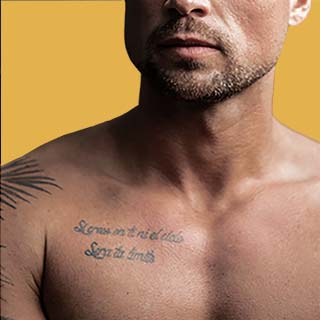
Some people refer to them as tattoos, while others consider it body art. You may absolutely love your tattoos and what they represent, or you may regret the amateur tattoo you got in your late teens that now just looks like a blob. If you fall into the latter category, the good news is those permanent ink marks don’t actually have to be all that permanent. Advances in plastic and cosmetic surgery have allowed for the creation of safe, effective solutions for tattoo removal.
What causes a need for tattoo removal?
To better understand how to get rid of a tattoo, let’s figure out why it’s there in the first place. In order for tattoos to be permanent, the ink needs to be injected into the middle skin layer (the dermis) to initiate the body’s healing response, which causes the skin to heal over the tiny puncture wound sealing in the ink.
If tattoo ink is injected into the top layer of skin (the epidermis) it will most likely fade and bleed during healing. If the artist injects too deeply into the third layer of skin (the subcutaneous layer) then ink could potentially enter the bloodstream or lymphatic (waste) system, which is called “tattoo blowout” and is as bad as it sounds. In some cases, individuals may also be allergic to tattoo ink or other components.
What are the main concerns related to tattoo removal?
An estimated 45 million Americans have at least one tattoo. Over 15,000 non-surgical tattoo removal procedures were performed in 2017 according to the American Society for Aesthetic Plastic Surgery.
So what might make an individual decide it’s time for the ink to go? Here’s a breakdown of some of the main factors and concerns prompting tattoo removal:
Size of the Tattoo: Size matters. A small tattoo behind your ear is going to be a lot easier to remove than your full sleeve or the life size replica of your cat across your back.
Layered Tattoos: If your tattoo has a significant amount of overlap the ink may be more difficult to remove requiring multiple treatments.
Age of the Tattoo: In this case older is better. Tattoos tend to naturally fade over time making the ink more susceptible to breakdown and removal.
Smoking: One of the many dreadful side effects of smoking is changes to your skin. The changes you can see, and the ones you can’t, all make it harder for removal, techniques to be effective.
Amount & Type of Ink Used: Tattoos with vibrant ink colors and detailed designs often have a larger volume and density of pigment under the skin. More simple tattoos, that may have been made with only black ink and a simple design, tend to be easier to remove.
Skin Tone: Darker skin colors typically require longer removal processes due to the need for higher wavelengths with laser procedures.
Immune System: A healthier immune system means a more effective system to eliminate the tattoo ink. Stronger immune systems will have an easier time breaking down the loosened ink particles for removal.
Who may wish to seek tattoo removal treatment?
So why have a permanent tattoo placed and then decide it was really only ever meant to be temporary? Here are a few possible reasons: you don’t actually remember getting the tattoo, it just looks terrible, having their name on your body doesn’t seem like a good idea anymore, or maybe you just changed your mind.
How can someone get help with tattoo removal?
Although DIY tattoo removal kits are available, they are not recommended as they tend to be mostly ineffective in removing the tattoo by only lightening its appearance. In contrast, a professional procedure is safe, controlled, and more effective.
A consultation with a professional can determine which procedure is most appropriate for your tattoo and skin type. For a deeper dive into the treatment options outlined above, check out our guide to Tattoo Removal Solutions.